
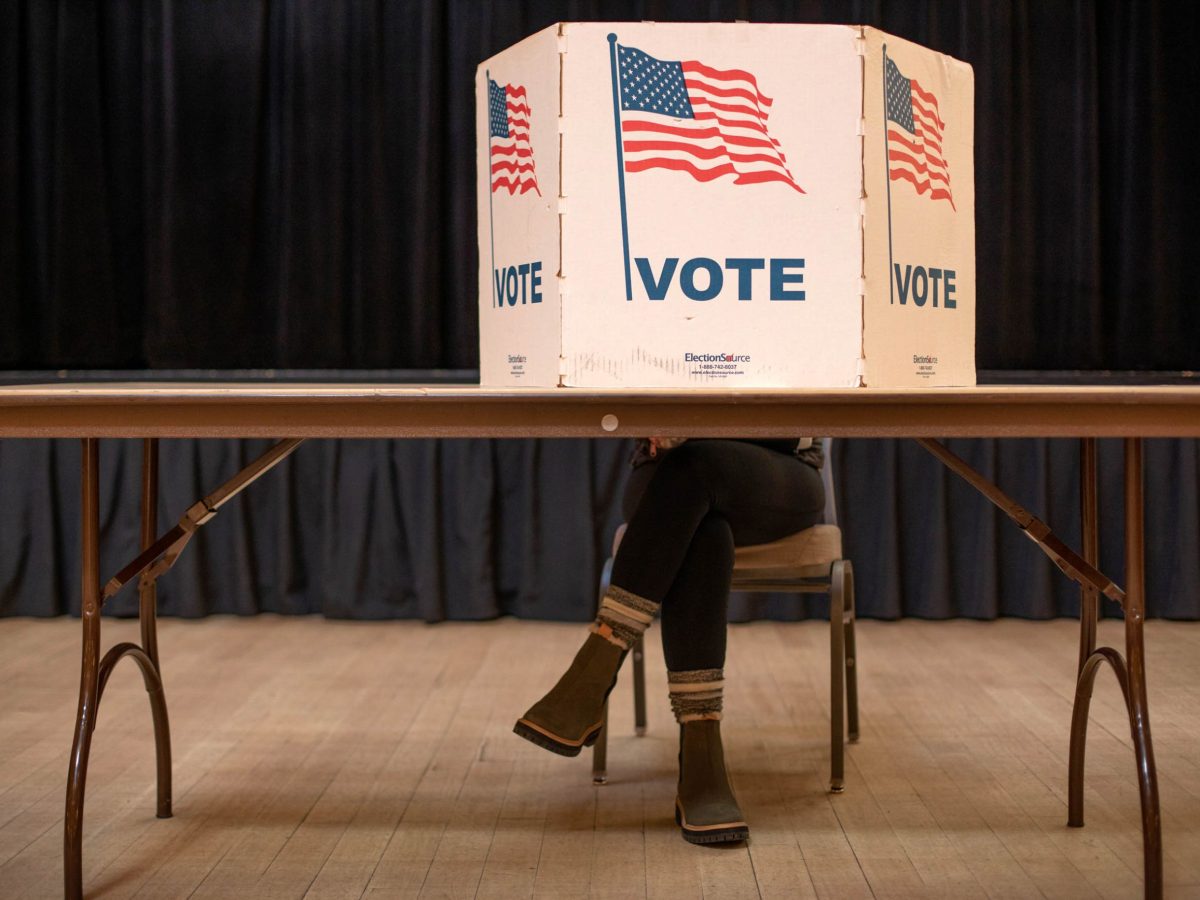
The rural, wildlife and outdoor recreational issues facing the next governor of Colorado are significant, with at least one species at a critical juncture with an uncertain future. On Tuesday, voters across the state will select a Democrat and a Republican from among five candidates to replace term-limited Gov. Jared Polis, a Democrat.
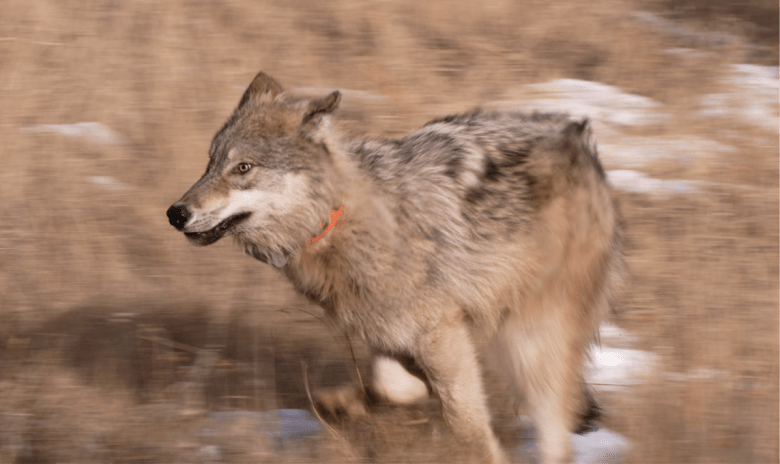
The winners of Tuesday’s primary election will face off against each other on Nov. 3. The next governor will oversee a state where a voter-mandated wolf reintroduction program has been paused amid escalating clashes with ranchers while the state’s population of gray wolves has dwindled to levels not self-sustainable, according to state wildlife officials.
The next governor will appoint members to the Colorado Parks and Wildlife Commission, which has been roiled by political fights and perceptions that the priorities of hunters and fishers are being replaced by commissioners who believe preserving the environment and wildlife trumps everything else.
The state’s next CEO will need to bridge a growing divide between rural and urban Coloradans that has widened to the point where members of the hunting and fishing community are seeking to etch a fundamental right to hunt, fish and harvest wildlife in the Colorado Constitution.
On these issues, The Colorado Sun has surveyed the five people running for governor to get their plans and priorities for wildlife and the outdoors. They include Democrats U.S. Sen. Michael Bennet and Attorney General Phil Weiser, and three Republicans — state Rep. Scott Bottoms, state Sen. Barbara Kirkmeyer and former U.S. Marine and Christian outreach worker Victor Marx.
The Colorado Sun sent survey questions to each of the candidates via email. Their written responses have been edited for length and clarity.
Use arrow keys (← →) or swipe to read through topics
Jump to a topic
- Is natural resource management in Colorado – including everything from wildfire mitigation to water use to wildlife management – moving in the right direction?
- Will you support voters’ decision to restore a self-sustaining population of wolves?
- Should Colorado Parks and Wildlife Commissioners reflect the governor’s policy priorities?
- Do you support proposed Initiative 302, which would establish a fundamental right to hunt, fish, and harvest wildlife in the Colorado Constitution?
- Is the rural-urban divide causing politicians to make decisions based too much on party politics, and if so, how will you remedy it?
NATURAL RESOURCE MANAGEMENT
Is natural resource management in Colorado – including everything from wildfire mitigation to water use to wildlife management – moving in the right direction?
DEMOCRATS
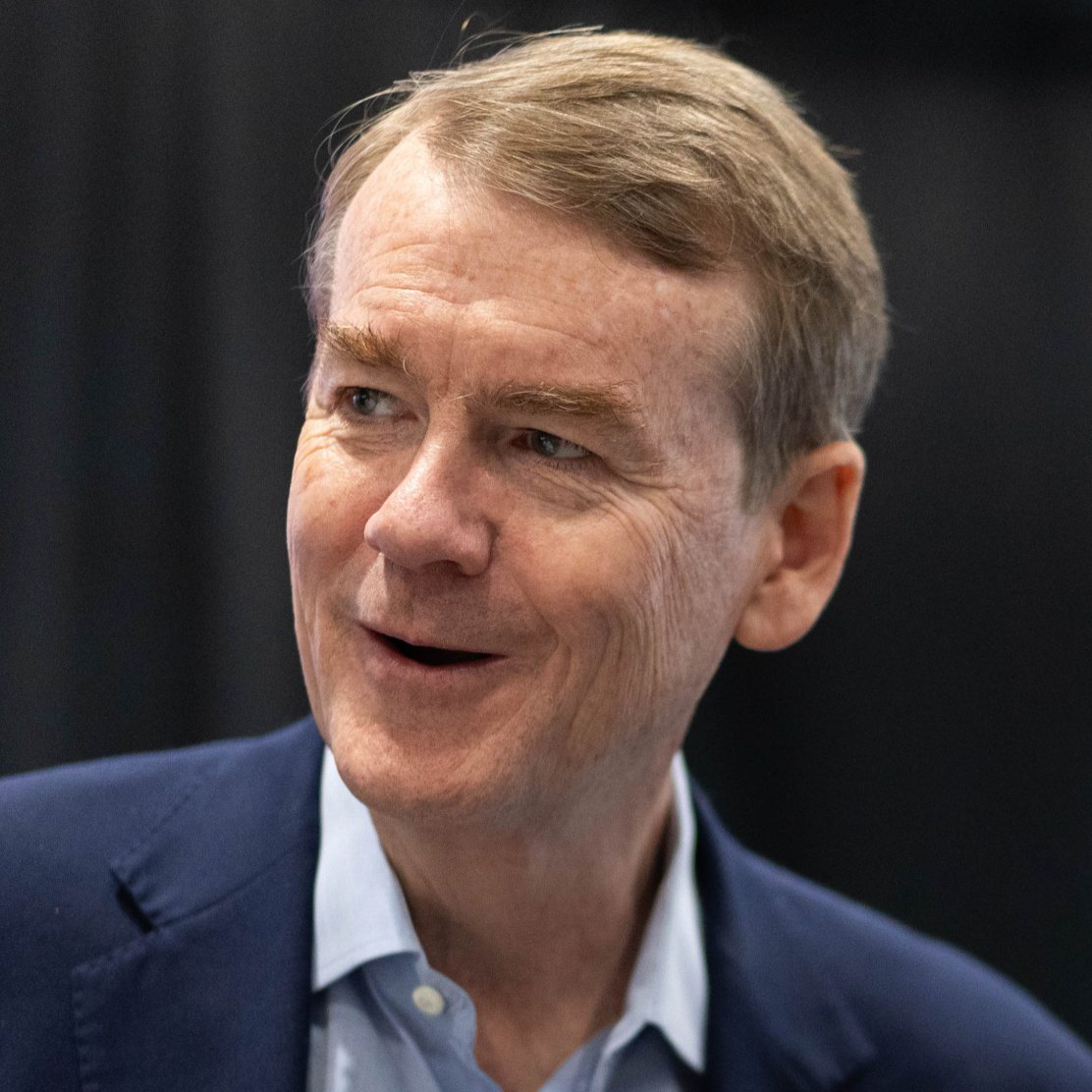
Michael Bennet
Bennet said Colorado has enormous natural resource challenges ahead, which is why he released proposals to restore forest health and reduce wildfire risk, secure Colorado’s water future and protect its outdoors for the next generation. “I encourage everyone to read my platform at bennetforcolorado.com,” he said.
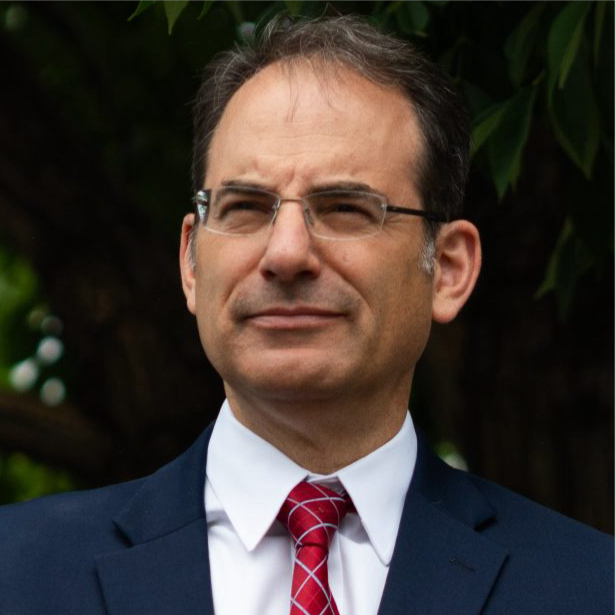
Phil Weiser
Weiser acknowledged many are working “to move Colorado in the right direction,” but that we need more focus on resilience with active coordination, collaboration and engagement across all levels of government and private landholders. That includes wildfire mitigation, funding the Colorado Water Plan, and investing in backup energy generation capacity and local storage, which protects residents against outages while enhancing the grid’s overall resilience.
REPUBLICANS
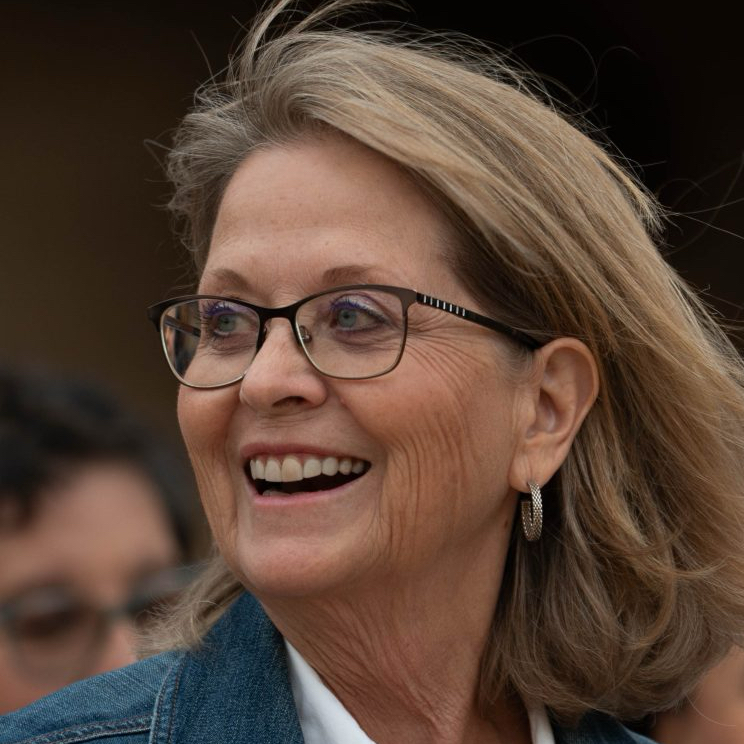
Barbara Kirkmeyer
Kirkmeyer said Colorado is falling behind because politics prevent practical stewardship. She said we need to protect rivers and streams while investing in new water storage, modern infrastructure, and new innovations like aquifer recharge. Wildfire and wildlife management should be driven by science, she said.
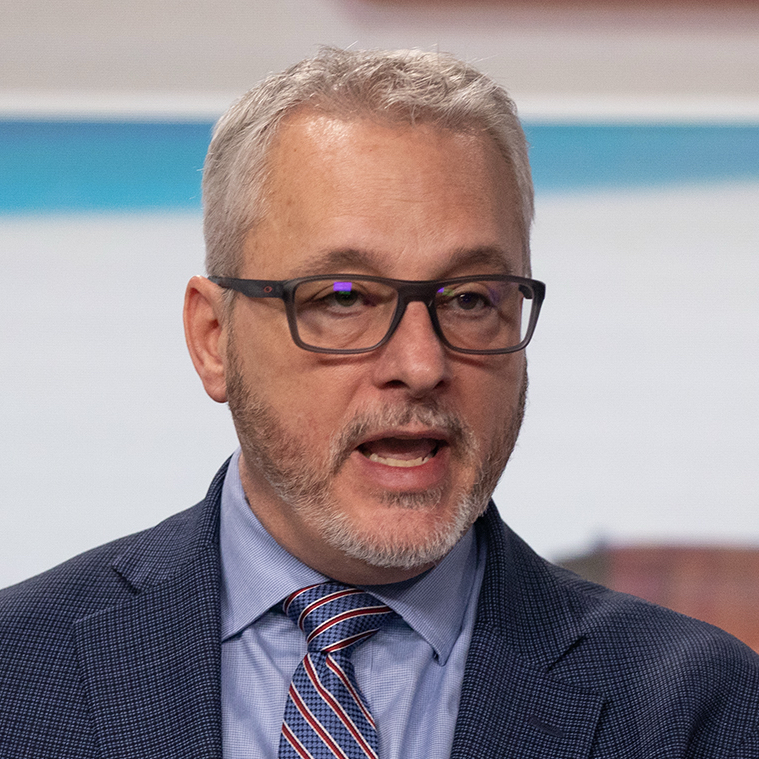
Scott Bottoms
Under current leadership, natural resource management has been undermined by top down mandates, federal overreach and ideological priorities that ignore rural realities, practical stewardship and science based approaches, Bottoms said. He said he would prioritize stewardship “that protects property rights, supports rural economies, expands energy production while safeguarding resources, and returns decision making power to local communities and those who live and work on the land.”
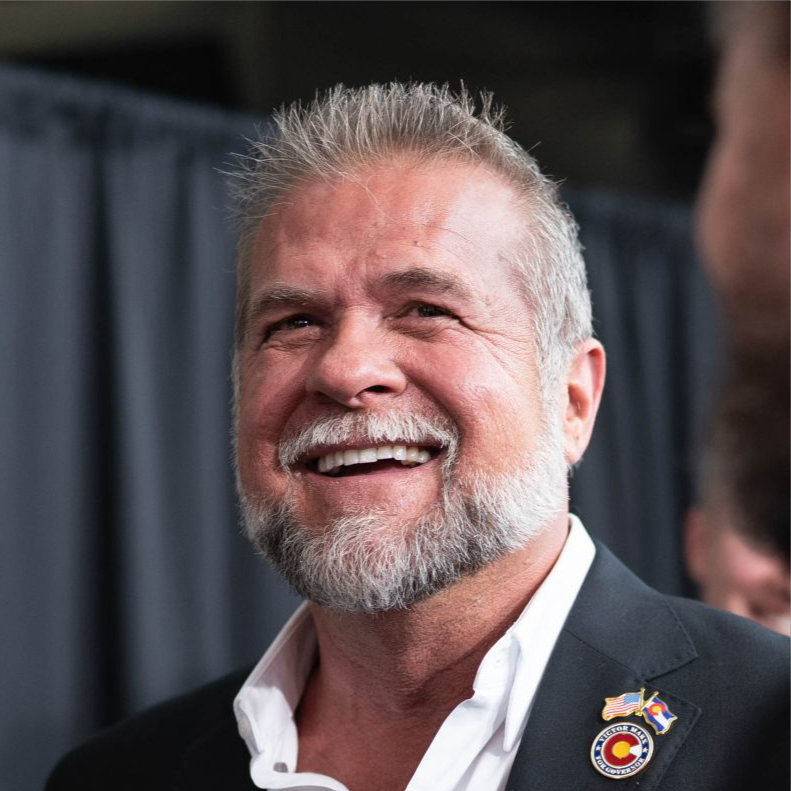
Victor Marx
“No. We need active forest management, not neglect. We need to treat water like the lifeblood of our future economy, not an afterthought. And we need science-based, locally informed wildlife policies that respect both conservation and community safety.”
WOLF RESTORATION
Will you support voters’ decision to restore a self-sustaining population of wolves?
DEMOCRATS
Michael Bennet
Bennet said he has always wanted wolf reintroduction to succeed, but knows some Coloradans are frustrated with implementation. He believes in a community-centered approach, with collaboration between landowners, hunters, anglers, ranchers, and the conservation community to rebuild trust and achieve a self-sustaining wolf population, he said.
Phil Weiser
Weiser said he will “carry out the voters’ will and enforce and administer our state laws—not pick and choose among them.” But it’s clear to him “no one on any side of this issue—including me—believes the wolf reintroduction program is working well,” and trust must be restored between Colorado’s wildlife agencies and rural communities by ensuring fairness, transparency and engagement with rural communities going forward.
REPUBLICANS
Barbara Kirkmeyer
“I have been clear from the beginning that I opposed wolf reintroduction.”
Scott Bottoms
“No. I would support immediately pausing and ultimately phasing out the wolf reintroduction program.”
Victor Marx
“I do not support continuing a flawed program just to protect a political narrative. As governor, I will push for an immediate, science driven reassessment focused on population limits, geographic controls, and stronger mitigation. If the data shows this cannot be done without harming Colorado communities and industries, then we should not continue it.”
PRIORITIES
Should Colorado Parks and Wildlife Commissioners reflect the governor’s policy priorities?
DEMOCRATS
Michael Bennet
Bennet said he’ll appoint CPW commissioners with thoughtful perspectives, a desire to find common ground, lived experience, and the desire to move important conversations forward.
Phil Weiser
Independent boards and commissions like the Parks and Wildlife Commission should exercise independent judgment — since that is what the law requires, Weiser said. And while he may have opinions and positions on matters, appointments he makes to the CPW commission and all independent boards will be based on sound criteria including an appointee’s judgment, expertise, professional background, geographic diversity, diversity of experiences and backgrounds, and other important variables to ensure a commission functions in Coloradans’ best interests.
REPUBLICANS
Barbara Kirkmeyer
Kirkmeyer said the commission should reflect Colorado, not simply the priorities of whichever governor happens to be in office. She said the commission should be made up of people with real-world experience in agriculture, conservation, outdoor recreation, wildlife biology, forestry, and rural communities.
Scott Bottoms
“Commissioners should prioritize science, expertise, and the interests of hunters, anglers, outfitters, ranchers, and all who rely on sustainable wildlife management, not partisan ideology or activist agendas.”
Victor Marx
“I will appoint commissioners with real-world experience in wildlife biology, land management, agriculture, and law enforcement, who are willing to ask tough questions and follow the data.
Colorado deserves a commission that works for the people and the resource, not for politics.”
INITIATIVE 302
Do you support proposed Initiative 302, which would establish a fundamental right to hunt, fish, and harvest wildlife in the Colorado Constitution?
DEMOCRATS
Michael Bennet
“I look forward to reviewing the proposed initiative if it officially qualifies for the ballot.”
Phil Weiser
“I support the rights of Colorado’s anglers, hunters, and sportsmen, but I am always cautious about using constitutional amendments to create statewide policy,” Weiser said. “If this measure is certified for the ballot, I will listen to the initiative’s backers and any opponents before I reach a decision on whether I will support this initiative.”
REPUBLICANS
Barbara Kirkmeyer
“Yes. Hunters and fishers are critical partners in our state’s wildlife management. Without them, we will see more disease and unhealthy wildlife, and we will also have less money to care for their habitat.”
Scott Bottoms
“Yes. Constitutional protection would safeguard these practices against urban-driven restrictions and ensure science based, responsible management that benefits all Coloradans.”
Victor Marx
“Absolutely,” Marx said. “If we do not act now, decisions about wildlife management will continue drifting away from science and into ideology.” Initiative 302 ensures these rights are protected for future generations and keeps wildlife management grounded in reality, not politics, he said.
RURAL-URBAN DIVIDE
Is the rural-urban divide causing politicians to make decisions based too much on party politics, and if so, how will you remedy it?
DEMOCRATS
Michael Bennet
“Colorado’s future will be shaped not by what divides us, but by what we can accomplish together. Rural and urban communities bring different perspectives, but we share a common responsibility: making life more affordable, ensuring every child receives a world-class education, and protecting the natural resources that define our state. My most important work will begin with rebuilding trust and opening lines of communication.”
Phil Weiser
As governor, Weiser said he would “set the expectation for all of government” that rural Coloradans are partners in the policy-making process, that they have a voice on state boards and commissions, and that they are listened to and collaborated with—not disregarded by directing state boards and commissions to hold meetings and hear public input in rural communities. He said he would sign an executive order establishing a cabinet-level Director of Rural Affairs and Collaboration within the Governor’s Office that he would work with the legislature to codify in state law.
REPUBLICANS
Barbara Kirkmeyer
“Yes. Too many decisions affecting rural Colorado are being made by people who have little connection to the communities that live with the consequences. The solution is recognizing that our futures are tied together.”
Scott Bottoms
Denver-centric policies ignore Western Slope and rural realities on issues like water, wolves, energy, housing, and wildlife, he said. “We will bridge divides by putting people and stewardship first, not party politics or urban mandates,” he said.
Victor Marx
“The rural-urban divide is real, and it is being made worse by political leaders who treat Colorado like two separate states,” Marx said. “We are one state with shared interests, strong communities, a healthy environment, and a growing economy. I will focus on practical solutions that respect those differences while delivering results that work for all Coloradans.”